
Six Cars Broken into Overnight. Where Was Your Officer?
Six cars have been hit, and the property manager needs an answer she can take to the owner. Start with the security guard reports and checkpoint records in your security patrol software, then compare them with the officer’s assignment and account. Here’s how to investigate a security guard patrol complaint, tell the client what you can verify, and protect the account.
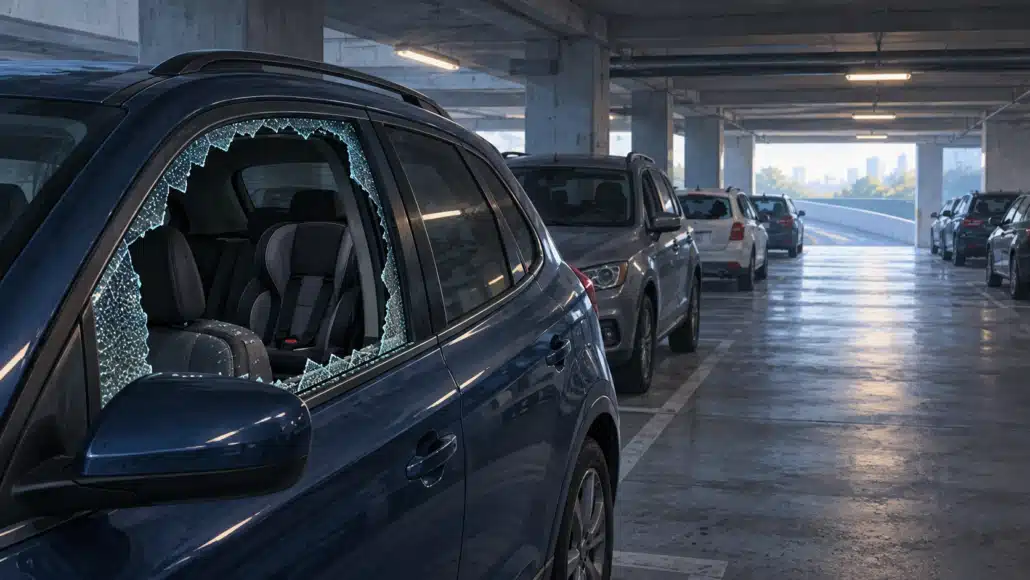
At 6:40 a.m., a resident heading to an early hospital shift walks onto the lower level of her apartment garage and stops. Her passenger window is in pieces across the seat. Her work bag is gone, and there’s glass in her son’s car seat. Five more cars on the level have been hit the same way. By seven, residents are gathered by the elevator, and photos are already circulating in the community’s Facebook group.
By 7:15, Dana, the community’s property manager, has three voicemails and a text from her regional manager: “What happened in the garage? Owner’s asking.”
At 7:52, your phone rings.
“Your officer was supposed to be patrolling that garage last night. Six cars. Where was he?”
You know the officer. Marcus has worked that site for 14 months and has never given you a reason to doubt him. Your first instinct is to defend him. Your second is to apologize and promise it won’t happen again. Neither is safe yet.
Consider what happened to a guard in a case reported by ASIS International. A client wanted to know whether anyone was patrolling the spots where vandals kept striking. On certain nights, the report appeared to show no patrols there. The company reprimanded the guard. He insisted he hadn’t missed a round. When the assistant operations manager checked the recorded times, he found they were off by 14 hours. A night officer’s patrols had shown up in daylight, when he wasn’t on duty.
Imagine making Dana’s call twice: once to say Marcus missed the garage and again to say you had read the report wrong. How you handle the next few hours may decide whether this is one bad night on a good account or the reason the owner puts your contract out to bid.
Dana’s morning is worse than yours
Dana’s standing in the lobby with six residents whose cars have just been broken into. One needs to get to work. Another wants to know whether it’s safe to park downstairs tonight. The owner wants to know what security is being paid to do. Dana’s regional manager wants a summary before lunch.
The garage was already a sore spot. In an August 2026 survey of 800 U.S. renters, renters who could name an area on their property where they felt unsafe picked the parking lot or garage more often than any other location.
What Dana needs from you is an answer she can forward: what the officer was assigned to cover, what he reported, which part you can verify, and what changes tonight. If you send her the raw security guard reports, she’ll still be the one who has to explain them to the owner.
There’s a chance you and Dana have been picturing different patrols for months. To her, “patrol the garage” may mean every level and stairwell. The officer’s route may say the entry ramp and the upper deck. ASIS describes how that mismatch can start when a client and its security provider first agree on the assignment. If that happened here, this is the morning you find out.
Read the security guard reports before you call Dana back
Give Dana something she can tell her regional manager before lunch: “I’m checking last night’s assignment and talking to Marcus. You can tell the owner I’ll send you what we know by two o’clock.” Keep the appointment even if the review is still open.
Start with the post orders and patrol plan in effect last night. If Marcus reads those instructions in a security guard app, confirm which version was available for that shift. Was the lower level on Marcus’s route? How many visits were required, and during what hours? Was he supposed to walk each row, inspect the access doors, or check the level from one designated point? Dana’s question is about six specific cars. You need to know what the assignment required in that part of the garage.
Open the individual checkpoint entries in your guard tour app. Check the location label, date and time of each entry against Marcus’s overnight shift. See what the tour summary counted as complete and whether any exception needs review. Read the security guard daily activity reports for that shift alongside any incident report Marcus filed. A scan just after midnight belongs to the next calendar date. It may still belong to the shift Dana is asking about.
Talk to Marcus before you show him your notes. “Walk me through your last trip downstairs. Which way did you come in? What could you see from the checkpoint? What do you remember after that?” Let him finish. Write down what he recalls separately from what the records say.
If Marcus recorded a 3:31 a.m. scan with the security patrol app, you have a check-in at the lower-level checkpoint. That entry alone can’t establish his exact position, which cars he could see or when the windows were broken.
Four ways this morning can end
By two o’clock you owe Dana an update. What you say depends on which of these four findings the evidence supports.
1. Marcus missed the rounds.
The lower level was on his route, with at least three visits required overnight. The log has one entry, at 10:52 p.m. When you ask what happened after midnight, Marcus tells you he stayed near the lobby desk. You have his account as well as the missing entries. Say what your company failed to do, what coverage the residents will have tonight, and when Dana will get the written plan. Handle any internal claim notification without missing the update you promised.
What you tell Dana: “The lower level was on the route. Marcus made the first round and told me he stayed by the lobby after midnight. We missed the remaining rounds. I’m taking him off your site while I deal with that. Tonight’s officer will cover all three visits, and a supervisor will also check the lower level twice a night through the end of the month. I’ll get the revised schedule to you by Friday.”
2. The third round is still unverified.
The lower-level checkpoint has entries at 10:48 p.m. and 1:04 a.m. There’s no third entry. Marcus says he walked the level again around 3:30 and thought his scan registered. Ask Marcus what he remembers seeing on the screen. Then have him repeat the check with a supervisor using the same security guard patrol app and checkpoint. Keep any test scan separate from last night’s record. A successful test today won’t settle what happened at 3:30.
What you tell Dana: “The lower-level log has two entries: 10:48 and 1:04. Marcus remembers another round around 3:30. I can’t verify that one. We’re checking the rest of the shift and testing the checkpoint. Starting tonight, a supervisor will verify each lower-level round while we sort this out. You’ll hear from me by five tomorrow, even if the question is still open.”
3. Marcus walked his route, but the lower level wasn’t on it.
The patrol plan covers the entry ramp, upper deck and building exterior. The lower level opened to residents after the contract was signed, and it never made it into the post orders. Marcus walked the agreed route. Dana reasonably expected coverage where her residents were parking.
If Dana asks how long this has been going on, look through earlier security guard daily activity reports for the first mention of residents using the lower level. That gives you a starting point for the discussion. Bring the actual route to the meeting so you can show her exactly what the officers were told to cover.
What you tell Dana: “Marcus completed the assigned route. I checked it against the garage you have today, and the route stops at the upper deck. Your residents park downstairs, and I understand why you thought we were checking there. I’d like your go-ahead to add the lower level tonight. Then let’s walk it together this week and agree in writing on the checks you want.”
4. The assigned checks are documented, and the cars were still hit.
The lower-level log lists check-ins at 10:48 p.m., 1:04 a.m. and 3:31 a.m., consistent with the assigned schedule. Marcus’s shift report notes nothing unusual. Resist the temptation to tell Dana the windows must have been broken after 3:31. Marcus wasn’t assigned to inspect every car. The resident with glass in her son’s car seat still deserves to know what will be different when she parks tonight.
What you tell Dana: “The log lists all three check-ins, and Marcus reported nothing unusual. I can’t give you a time for the break-ins from that. If your cameras cover the ramp or the lower level, would you preserve the overnight footage? Tonight I’ll have the supervisor walk the row where the cars were hit. Let’s look at the sightlines, lighting and gate together this week.”
The email Dana can forward
Suppose you’re looking at the second finding. Dana needs a written answer by two. She should be able to forward this email to her regional manager without explaining what a missing scan means.
Subject: Lower-level garage: overnight patrol review
Dana,
Here’s where our review of last night’s patrol stands.
What was assigned: At least three lower-level checkpoint visits between 10 p.m. and 6 a.m.
What our records show: The lower-level checkpoint log has entries at 10:48 p.m. and 1:04 a.m. Marcus recalls walking the level again around 3:30 a.m. We have no entry for that round.
What we don’t know yet: Whether that third round was completed or when the cars were damaged.
What we’re doing: I’m reviewing the remaining shift records and having a supervisor test the checkpoint with Marcus. Starting tonight, a supervisor will verify each lower-level round until we resolve the gap.
What would help: If your cameras cover the garage entrance or lower level, please preserve last night’s footage and let me know whom to contact to review it.
Next update: I’ll write again by 5 p.m. tomorrow with our findings or what remains open. If residents need a statement before then, call me and I’ll help you put it in writing.
[Your name]
Dana can forward that without turning an officer’s recollection into a company finding. Give Marcus the same distinction when he writes a follow-up in your security guard reporting app: date it today and say what he remembers. Leave the original shift entry intact. For routine updates to Dana, the free patrol reporting template gives you a place to organize activity, incidents and exceptions.
The meeting that keeps the account
Walk the lower level with Dana. Stand in the row where the cars were parked, then walk back to the checkpoint. Ask her to show you what residents mean when they say they never see the officer. From the checkpoint, you may both see why.
Before you leave, agree on three things: what the officer will check, what the officer will record, and when Dana will hear about a problem. Write those answers into the site’s post orders and brief everyone who covers the property. Before the next shift, have Marcus or his relief open the assigned route in the security guard tour app. Walk it with the officer and check that the instructions take them to the place you and Dana just stood.
If Dana manages several communities, review the agreement at each one. Her expectations may be similar, but a ramp checkpoint that works at one garage may put the officer out of view of an entire row at another. Here’s what property managers need to verify across the properties they oversee.
The resident on the lower level may never learn your company’s name. Dana will remember exactly how you handled her morning.
Be ready for the next 7:52 call
When you evaluate security guard patrol software, bring Dana’s question to the demo: “Show me what the officer was assigned downstairs, what was recorded, and where the record stops.” GuardMetrics supports site post orders for assigned officers, configured patrol tours with checkpoint records, mobile reports for incidents and routine activity, and manager review of tour exceptions. Your team still has to investigate the gap and give the client an honest answer.
If your company patrols apartment communities, request a GuardMetrics demo and ask to see how a supervisor would review a disputed overnight garage patrol.

